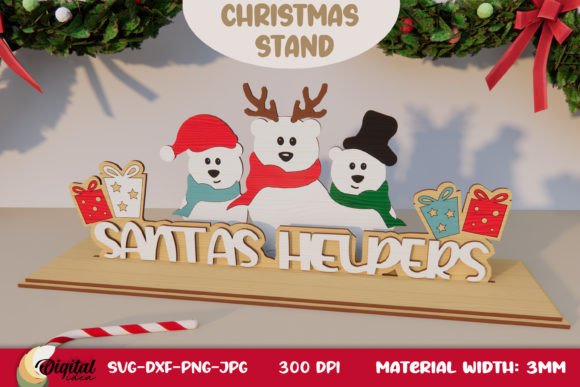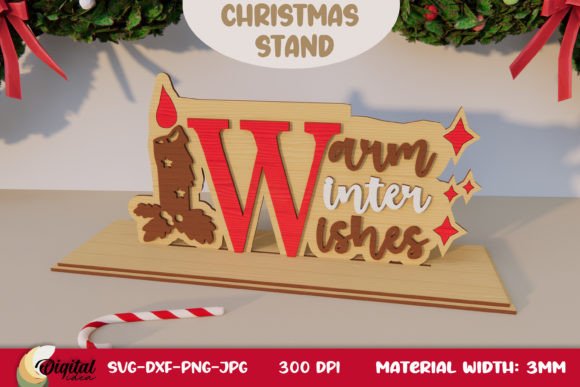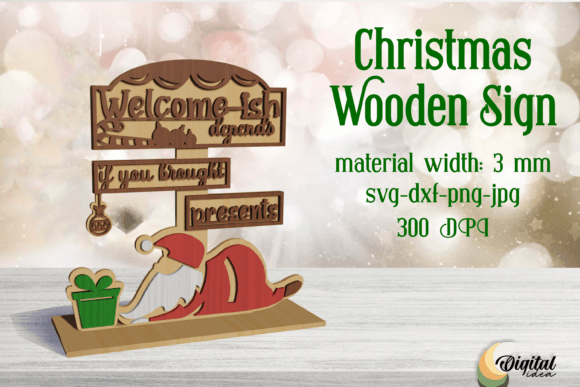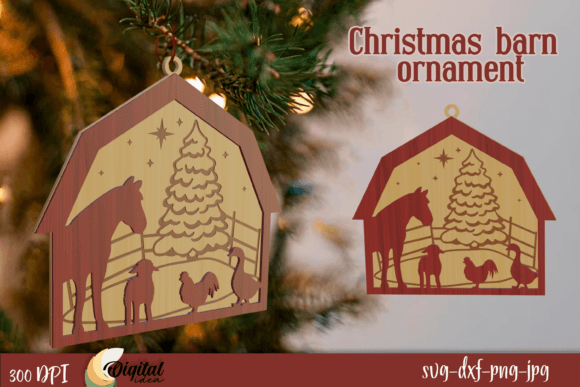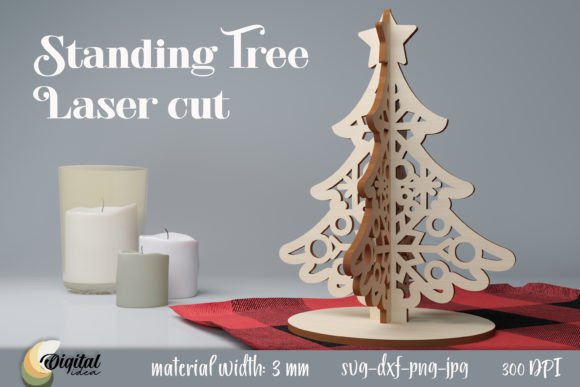
Standing Tree Laser Cut: Modern 3D Decor
There is a distinct satisfaction in transforming flat, two-dimensional materials into objects that occupy space with depth and presence. The Standing Tree Laser Cut embodies this transformation perfectly. It is not merely a silhouette of nature; it is an engineered piece of art that relies on precision, balance, and material integrity to stand upright without external support. For designers, hobbyists, and small business owners, this concept offers a compelling intersection of aesthetic minimalism and technical craftsmanship.
When you explore the potential of a 3D Wooden Decoration Laser Cut, you are engaging with a design philosophy that values organic forms rendered through digital exactness. The result is a decor piece that feels both timeless and contemporary. Whether placed on a corporate desk, a living room mantel, or a retail display shelf, the standing tree serves as a quiet anchor in the room, drawing the eye with its intricate layers and natural grain.
The Appeal of Layered Wood Design
The core interest in the Standing Tree Laser Cut lies in its construction. Unlike a simple printed image or a solid carved block, these designs typically utilize layered wood sheets. This technique creates a sense of volume and shadow play that changes depending on the viewer’s angle and the ambient lighting. The gaps between layers allow light to filter through, creating dynamic patterns that shift throughout the day.
This approach appeals to a wide audience because it bridges the gap between traditional woodworking and modern digital fabrication. For the hobbyist, it represents an accessible entry point into laser cutting that yields professional-looking results. For the interior designer, it offers a customizable element that can be scaled, stained, or painted to match specific color palettes. The tactile quality of wood adds warmth to spaces that might otherwise feel sterile or overly technological.
Creative Applications and Variations
The versatility of the Standing Tree Laser Cut allows for numerous interpretations. While the classic pine or oak silhouette is popular, creative professionals can adapt the base design to suit various themes and functions. Here are several ways to expand the utility of this design:
- Seasonal Decor: By altering the density of the "foliage" layers, you can create versions that evoke the sparse branches of winter or the lush canopy of summer. Adding small, detachable elements can allow users to customize the tree for holidays.
- Functional Art: Integrate the tree structure with practical items. For example, the base can be widened to serve as a bookend, or the branches can be designed to hold jewelry, keys, or small notes. This transforms the object from pure decoration into a daily-use item.
- Corporate Branding: Small businesses can use the standing tree as a subtle branding tool. The base plate can be engraved with a company logo or a motivational quote, making it an ideal gift for clients or employees that aligns with values of growth and stability.
- Educational Models: Educators can use simplified versions of the 3D wooden decoration to teach principles of geometry, balance, and structural engineering. Assembling the layers provides a hands-on lesson in how two-dimensional parts create three-dimensional forms.
Technical Precision and File Formats
Creating a high-quality Standing Tree Laser Cut requires more than just a pretty image; it demands precise vector data. This is where the availability of comprehensive file formats becomes crucial. A professional design package should include SVG, DXF, EPS, PDF, JPEG, and PNG files. Each format serves a specific purpose in the production workflow.
The SVG and DXF files are essential for the laser cutter itself. They contain the vector paths that guide the laser beam, ensuring clean cuts and accurate kerf compensation. The EPS and PDF formats are valuable for designers who may want to incorporate the tree motif into larger graphic design projects, such as packaging, invitations, or marketing materials, before physical production. Meanwhile, JPEG and PNG files allow for quick visualization, social media promotion, and digital mockups.
Having access to this full suite of formats ensures that the design is not locked into a single use case. It empowers creators to iterate quickly. You can test the cut on scrap wood using the DXF, then use the SVG to adjust sizing in your preferred design software, and finally use the PNG to create a product listing online. This flexibility reduces friction in the creative process and supports a more efficient workflow.
Material Selection and Finishing Techniques
The choice of material significantly impacts the final appearance of your 3D Wooden Decoration Laser Cut. Birch plywood is a common favorite due to its fine grain and consistent layering, which minimizes splintering during the cutting process. However, experimenting with different woods can yield unique results. Walnut offers a rich, dark contrast that feels luxurious, while bamboo provides a sustainable, modern aesthetic with distinctive horizontal grain patterns.
Finishing is where the project truly comes to life. A raw, unfinished look highlights the natural texture of the wood and the slight charring from the laser, which many enthusiasts appreciate for its rustic charm. Alternatively, applying a clear matte sealant protects the wood from dust and humidity while preserving its natural color. For a more dramatic effect, consider staining the edges of the layers before assembly. This technique accentuates the depth of the cut and makes the individual layers pop, enhancing the three-dimensional illusion.
When assembling the pieces, precision is key. Use a high-quality wood glue applied sparingly to avoid squeeze-out, which can mar the surface. Clamping the layers evenly ensures that the tree stands straight and true. A slight misalignment in the base can cause the entire structure to lean, undermining the visual balance of the piece.
Adapting for Different Audiences
Understanding your audience helps tailor the Standing Tree Laser Cut to their specific needs. For homeowners, focus on the emotional connection to nature and the calming effect of organic shapes in interior design. Highlight how the piece can serve as a focal point in a minimalist living space.
For entrepreneurs and marketers, emphasize the customization potential and the perceived value of handcrafted goods. Position the tree as a premium promotional item or a unique product for an Etsy shop. The narrative here is about craftsmanship, sustainability, and originality.
For educators and makers, highlight the technical aspects. Discuss the importance of vector integrity, the learning curve associated with laser cutting parameters, and the satisfaction of solving spatial puzzles through assembly. Provide tips on troubleshooting common issues like burn marks or incomplete cuts.
Maximizing Impact with Simple Design
The beauty of the Standing Tree Laser Cut lies in its simplicity. It does not require complex electronics or moving parts to be engaging. Its impact comes from the interplay of light, shadow, and material. To keep your results effective and organized, maintain a consistent design language. If you are creating a series of trees, ensure that the scale and proportion remain harmonious. Avoid over-complicating the silhouette; sometimes, fewer lines create a stronger visual statement.
Consistency in production also builds trust with your audience. Whether you are making one piece for your home or fifty for a client batch, maintaining high standards in cutting quality and assembly ensures that each item reflects well on your skills. Document your process. Take photos of the raw materials, the cutting stage, and the final assembly. This transparency not only serves as marketing content but also helps you refine your technique over time.
In conclusion, the Standing Tree Laser Cut is more than a decorative object. It is a testament to the power of digital fabrication to bring warmth and nature into our built environments. By leveraging the right tools, materials, and design strategies, you can create pieces that resonate with viewers on both an aesthetic and emotional level. Whether you are a seasoned designer or a curious beginner, this project offers a rewarding path to exploring the possibilities of 3D wooden decoration.