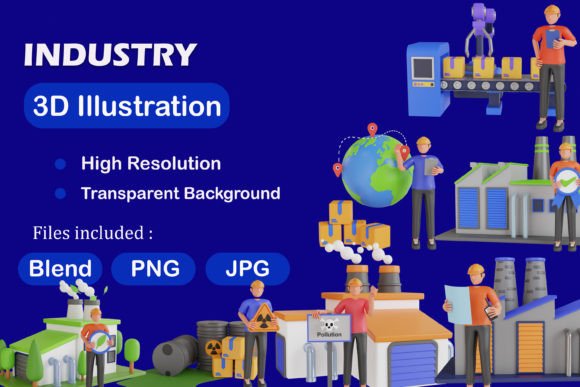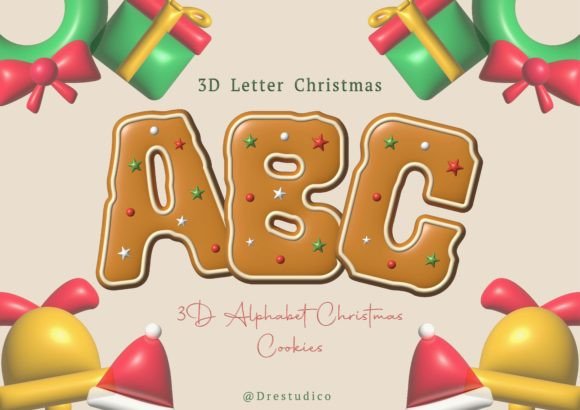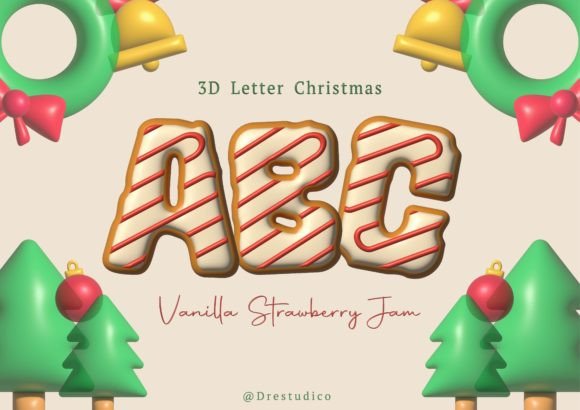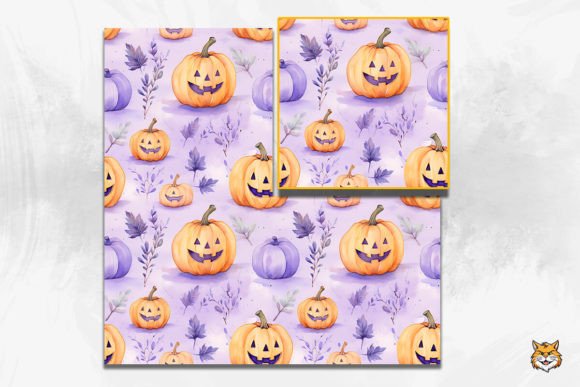
Unlocking Visual Potential with 50 3D Rendering Png Assets for Modern Design
In the fast-paced world of digital design, speed and quality are often at odds. You need visuals that pop, but you rarely have the time to model, light, and render every single element from scratch. This is where a curated collection like 50 3D Rendering Png files becomes an invaluable resource. These aren't just random images; they are pre-rendered, high-quality assets with transparent backgrounds, ready to be dropped into your projects. Whether you are a graphic designer, a marketing specialist, or a small business owner, understanding how to leverage these assets can significantly streamline your workflow while elevating the aesthetic appeal of your work.
Bridging the Gap Between Concept and Final Product
The primary value of having access to 50 3D Rendering Png files lies in their versatility. A PNG file with a transparent background allows you to layer 3D objects over any backdrop without the hassle of complex masking or color correction. Imagine you are working on a promotional banner for a new tech gadget. Instead of spending hours setting up a virtual studio environment, you can select a pre-rendered smartphone or laptop from your library, adjust its lighting to match your scene, and place it directly onto your canvas. This immediate integration saves countless hours of rendering time, which is particularly crucial when dealing with tight deadlines.
For freelance designers, this efficiency translates directly into profitability. By reducing the time spent on repetitive modeling tasks, you can take on more clients or dedicate more energy to the creative aspects of a project, such as composition and storytelling. The 50 3D Rendering Png pack serves as a foundational toolkit, providing a diverse range of objects that can be mixed and matched to create unique scenes. From abstract geometric shapes to realistic product mockups, the variety ensures that you always have a starting point that aligns with your client's vision.
Real-World Applications Across Industries
The utility of these 3D assets extends far beyond traditional graphic design. Let’s explore how different professionals can integrate 50 3D Rendering Png into their daily operations.
E-Commerce and Product Marketing
In e-commerce, product presentation is everything. High-quality images drive conversions, but photographing every product variation can be costly and logistically challenging. Using 3D renders allows brands to showcase products in idealized conditions. With a set of 50 3D Rendering Png files, an online retailer can create consistent, clean product listings. For instance, if you sell cosmetics, you can use pre-rendered bottles and jars, applying your label designs digitally. This approach ensures that every product image has uniform lighting and perspective, creating a professional and trustworthy brand image. Furthermore, these assets can be used to create lifestyle compositions by placing the product alongside complementary 3D elements, such as flowers, fabrics, or decorative stones, enhancing the emotional appeal of the advertisement.
Social Media Content Creation
Social media managers are constantly under pressure to produce fresh, engaging content. Static images still perform well, especially when they feature eye-catching 3D elements. A collection of 50 3D Rendering Png assets provides a quick way to add depth and interest to Instagram posts, Facebook ads, or LinkedIn banners. You can combine floating 3D icons with bold typography to highlight key messages or use abstract shapes to frame text. The transparency of the PNG format makes it easy to overlay these elements on video backgrounds or gradient fills, creating dynamic visuals that stop users from scrolling. This method is particularly effective for announcing sales, launching new features, or sharing educational infographics.
Presentation and Pitch Decks
Corporate presentations often suffer from visual fatigue, relying heavily on bullet points and stock photos. Integrating 3D elements can break this monotony and help illustrate complex ideas more effectively. If you are pitching a new app interface, using a 3D render of a device holding your screenshot adds a layer of sophistication. Similarly, abstract 3D shapes from a 50 3D Rendering Png library can be used as visual metaphors for growth, connection, or innovation. These elements make slides more memorable and help keep the audience engaged. Because the assets are pre-rendered, you don’t need specialized 3D software skills to include them; simply drag and drop them into PowerPoint or Keynote.
Choosing the Right Assets for Your Project
While having access to 50 3D Rendering Png files is convenient, selecting the right ones requires a keen eye for detail. Not all 3D renders are created equal, and mismatched styles can disrupt the coherence of your design. Here are some practical considerations to keep in mind:
- Lighting Consistency: Ensure that the lighting direction and intensity in the 3D render match the rest of your composition. If your background suggests a soft, diffuse light source, a harshly lit 3D object will look out of place. Look for assets with neutral lighting that can be easily adjusted using blending modes in your design software.
- Resolution and Quality: Check the resolution of the PNG files. For print materials, you need high-resolution assets (at least 300 DPI) to avoid pixelation. For web use, lower resolutions may suffice, but clarity is still paramount. Always preview the images at full size before incorporating them into your final design.
- Style Cohesion: Decide whether you need photorealistic renders or stylized, cartoon-like objects. Mixing these styles can sometimes work for artistic effect, but for professional branding, consistency is key. A 50 3D Rendering Png pack that offers a unified aesthetic will save you time in post-processing.
- Shadow and Reflection Handling: Some PNGs include baked-in shadows, while others do not. Baked shadows can look unnatural if the light source in your scene differs. Ideally, choose assets with separate shadow layers or no shadows at all, allowing you to add realistic shadows manually within your design tool.
Maximizing Creativity with Limited Resources
One might assume that using pre-made assets limits creativity, but the opposite is often true. Constraints can fuel innovation. When you have a fixed set of 50 3D Rendering Png elements, you are challenged to find new ways to combine and manipulate them. You might rotate an object to reveal a different angle, change its color hue to match your brand palette, or crop it to focus on a specific detail. These small adjustments can transform a generic asset into a unique component of your design.
Moreover, these assets serve as excellent learning tools. By analyzing how light interacts with different surfaces in high-quality 3D renders, you can improve your own understanding of physics and photography. This knowledge can then be applied to your original work, whether you are shooting photos or creating custom 3D models. Over time, you develop a sharper eye for what makes a render look realistic and appealing.
Potential Limitations and How to Overcome Them
It is important to acknowledge that pre-rendered PNGs are not a one-size-fits-all solution. They lack the flexibility of native 3D files (such as .OBJ or .BLEND), meaning you cannot change the camera angle or modify the geometry after rendering. If you need a specific view that isn't provided in the 50 3D Rendering Png set, you may need to supplement with other assets or create custom renders. Additionally, overusing popular asset packs can lead to a "stock" look that feels impersonal. To avoid this, always customize the assets by adding textures, adjusting colors, or combining them with original illustrations.
Another consideration is file size. High-quality PNGs with transparency can be large, which might slow down web pages if not optimized. Use compression tools to reduce file size without sacrificing visible quality, ensuring a smooth user experience for your audience.
Final Thoughts on Integrating 3D Assets
Incorporating 50 3D Rendering Png files into your design workflow is a strategic move for anyone looking to enhance visual impact without compromising efficiency. These assets bridge the gap between amateur and professional aesthetics, offering a polished look that resonates with modern audiences. By understanding their strengths and limitations, and by applying them thoughtfully across various contexts—from e-commerce to social media—you can unlock new levels of creativity and productivity. Remember, the goal is not just to use 3D elements, but to use them in a way that supports your message and engages your viewers. With the right approach, these simple PNG files can become powerful tools in your creative arsenal.