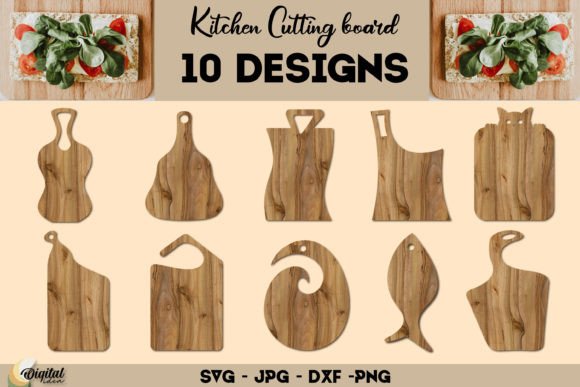
Mastering the Art of the Custom Kitchen Cutting Board
The modern kitchen is no longer just a place for meal preparation; it has evolved into a central hub for creativity, social interaction, and personal expression. Within this dynamic space, the kitchen cutting board serves as both a functional tool and a statement piece. While mass-produced options flood the market, there is a growing movement toward personalized, high-quality surfaces that reflect individual style. This shift is largely driven by advancements in digital fabrication, specifically laser cutting technology, which allows for intricate designs and precise engineering that were previously impossible to achieve at home.
For creators, small business owners, and DIY enthusiasts, understanding the nuances of designing and producing these boards is essential. It is not merely about slicing vegetables; it is about material science, design integrity, and food safety. Whether you are looking to create a unique gift, start a side hustle, or simply upgrade your culinary workspace, avoiding common pitfalls in the design and selection process can save you time, money, and frustration.
The Intersection of Function and Laser Precision
Laser cutting has revolutionized how we approach wooden and acrylic kitchenware. Unlike traditional sawing, which can leave rough edges and limit design complexity, laser technology offers micron-level precision. This capability allows for the creation of 3D kitchen cutting board concepts, where layers of material are stacked to create depth, texture, and ergonomic handles. However, this technological advantage often leads to a significant misunderstanding among beginners: the assumption that any design file will translate perfectly into a safe, durable product.
A common mistake is overlooking the kerf—the width of the cut made by the laser. If a designer does not account for the kerf when creating interlocking joints for a multi-layered board, the pieces may fit too loosely or require excessive force to assemble. This not only affects the aesthetic appeal but can also create crevices where bacteria can thrive, compromising hygiene. To avoid this, always test-fit your designs with scrap material before committing to expensive hardwoods or food-grade acrylics.
Material Misconceptions and Safety Hazards
One of the most critical areas where enthusiasts stumble is material selection. Not all woods are created equal, and certainly, not all plastics are food-safe. A frequent error is choosing softwoods like pine for cutting surfaces. While easy to cut, softwoods dent easily, creating deep grooves that trap food particles and moisture. Over time, this leads to warping and bacterial growth. Instead, opt for dense, closed-grain hardwoods such as maple, walnut, or cherry. These materials are gentle on knife edges and resist moisture absorption.
Similarly, when working with acrylics for decorative or secondary boards, ensure you are using cast acrylic rather than extruded acrylic. Cast acrylic cuts cleaner with a laser, producing a flame-polished edge that is smooth to the touch. Extruded acrylic can melt unevenly, leaving jagged edges that are difficult to clean. Always verify that any adhesive used in layered designs is FDA-approved for indirect food contact. Using standard wood glue or industrial adhesives can leach harmful chemicals into your food, turning a beautiful project into a health hazard.
Navigating Digital Design Files
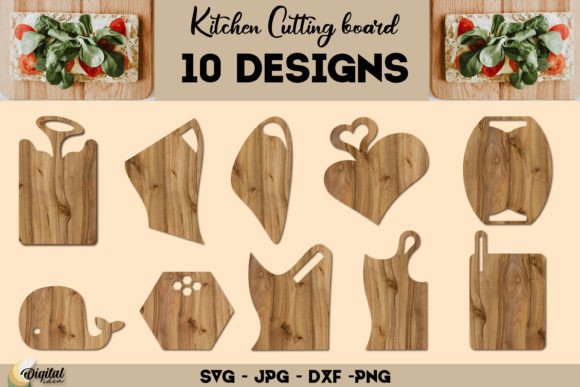
For those who prefer to start with pre-made designs rather than drawing from scratch, the quality of the digital file is paramount. You might encounter offerings such as a zip folder with 10 designs available in various formats like SVG, DXF, EPS, PDF, JPEG, and PNG. While this variety seems convenient, it requires careful evaluation. Vector files (SVG, DXF, EPS) are essential for laser cutting because they define paths that the machine follows. Raster images (JPEG, PNG) are pixel-based and generally unsuitable for cutting unless converted, which often results in loss of detail and jagged edges.
A subtle but costly mistake is ignoring the scale and unit settings within these files. A design intended for a small coaster might be scaled up incorrectly to fit a large serving board, distorting proportions and weakening structural integrity. Before sending any file to your laser cutter, open it in your preferred software and check the dimensions. Ensure that all lines are closed paths and that there are no stray anchor points. A well-organized file saves hours of troubleshooting and ensures that the final product matches the visual preview.
Designing for Durability and Usability
When evaluating or creating a design, consider the end-user experience. A board that looks stunning on social media may fail in practical application if it lacks stability. One overlooked detail is the inclusion of non-slip feet or juice grooves. Without these features, a sleek, flat board can slide dangerously across a countertop during vigorous chopping. Integrating small rubber feet into the underside of a layered design is a simple yet effective solution that enhances safety and usability.
Furthermore, think about maintenance. Complex 3D designs with many nooks and crannies can be nightmares to clean. If you are designing a board with intricate laser-cut patterns, ensure that the gaps are wide enough to allow for easy scrubbing or dishwasher safety (if the material permits). Simpler designs often offer better longevity and ease of care. The goal is to balance artistic expression with practical functionality. A great solution for creating an original design for your home or office involves testing the prototype in real-world scenarios. Chop onions, wash it, dry it, and observe how it holds up. This iterative process reveals flaws that static images cannot show.
Making Informed Decisions
Before purchasing a design package or investing in materials, ask yourself specific questions. Does the design accommodate the natural movement of wood? Wood expands and contracts with changes in humidity. A rigid, tightly interlocked design may crack during seasonal changes. Incorporating expansion gaps or using flexible joinery techniques can mitigate this risk. Additionally, consider the finish. Raw wood is vulnerable to stains and water damage. Applying a food-safe mineral oil or beeswax finish is not optional; it is a necessary step to seal the pores and protect the investment.
For entrepreneurs, the presentation of the final product matters as much as the product itself. A poorly finished edge or a visible glue line can diminish perceived value. Take the time to sand edges smoothly and inspect every inch of the board before packaging. Customers appreciate attention to detail, and it builds trust in your brand. Whether you are a hobbyist making a gift or a professional selling online, the difference between a good product and a great one lies in these finishing touches.
In conclusion, the journey to creating the perfect kitchen cutting board is one of learning and refinement. By understanding the capabilities and limitations of laser cutting, selecting appropriate materials, and prioritizing food safety and usability, you can avoid common pitfalls. Embrace the process of iteration, test your designs thoroughly, and always keep the end-user in mind. With the right approach, you can produce functional art that enhances the kitchen experience and stands the test of time.