Mastering 3D Lotus Car Coaster Sublimation for Professional Results
In the rapidly evolving world of custom automotive accessories, personalization has moved beyond simple decals and seat covers. Enthusiasts and small business owners are increasingly turning to high-quality, functional items that reflect their unique style while protecting their vehicles. One such item gaining significant traction is the 3D Lotus Car Coaster. For creators, designers, and DIY hobbyists, mastering the art of 3D Lotus Car Coaster Sublimation offers a lucrative opportunity to produce stunning, durable, and highly marketable products. This guide explores the intricacies of this niche, providing practical solutions for those looking to elevate their sublimation game.
Understanding the Appeal of 3D Lotus Designs
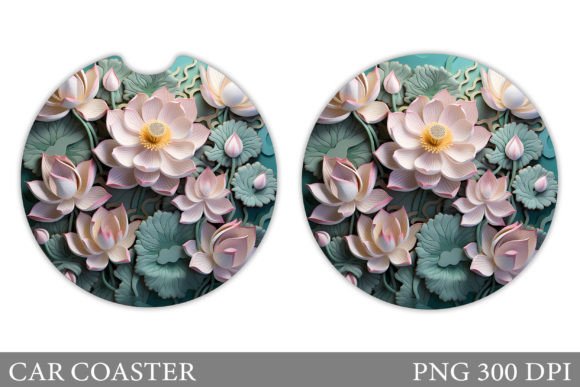
The lotus flower is a symbol of purity, enlightenment, and rebirth across many cultures. Its intricate petal structure and symmetrical beauty make it an ideal candidate for detailed graphic design. When applied to car coasters, the "3D" aspect refers not necessarily to a physically protruding object, but to the visual depth created through shading, layering, and high-resolution imaging techniques. A well-executed 3D Lotus Car Coaster Sublimation design creates an illusion of depth that makes the flower appear to float above the coaster surface.
For the end-user, these coasters serve a dual purpose. Functionally, they protect cup holders from spills, condensation, and debris. Aesthetically, they add a touch of elegance and personalization to the vehicle’s interior. The demand for such items is driven by consumers who value both utility and artistic expression. By offering a product that combines these elements, creators can tap into a market segment that is willing to pay a premium for quality and uniqueness.
Technical Requirements for High-Quality Output
Achieving a professional finish in 3D Lotus Car Coaster Sublimation begins with the source file. The quality of the final print is directly proportional to the resolution and clarity of the digital asset. As noted in standard resource packages, a typical high-quality design file includes a PNG image at 300 DPI (dots per inch) with dimensions of 3.6 x 3.6 inches (1080 px). These specifications are not arbitrary; they are critical for ensuring sharpness and color fidelity.
- Resolution: Always use images at 300 DPI. Lower resolutions will result in pixelation, especially when viewed up close in a car interior.
- File Format: PNG files with transparent backgrounds are preferred. This allows the design to blend seamlessly with the coaster material without unwanted white boxes or borders.
- Color Profile: Ensure your design is set to sRGB color profile, which is standard for sublimation printing, to avoid color shifts during the transfer process.
Using a zip file that contains these optimized assets saves time and reduces the risk of errors. It ensures that every creator starts with a solid foundation, allowing them to focus on the printing and pressing stages rather than troubleshooting image quality issues.
Overcoming Common Sublimation Challenges
Even with perfect digital files, the physical process of 3D Lotus Car Coaster Sublimation presents several challenges. Understanding these hurdles is the first step toward overcoming them.
Color Vibrancy and Accuracy
One of the most common complaints among beginners is dull or washed-out colors. Sublimation ink turns into gas under heat and bonds with polyester polymers. If the substrate (the coaster) does not have a high polyester content or a proper polymer coating, the colors will not bond effectively. To address this, always use coasters specifically designed for sublimation. Additionally, ensure your printer profiles are calibrated correctly. Regular test prints on paper can help verify color accuracy before committing to expensive coaster blanks.
Ghosting and Blurring
"Ghosting" occurs when the transfer paper shifts during the pressing process, resulting in a blurred or double image. This is particularly problematic for intricate designs like the 3D lotus, where fine lines and details are crucial. To prevent this, use high-temperature resistant tape to secure the transfer paper firmly to the coaster. Some creators also recommend using a silicone wrap or a specialized coaster press that applies even pressure from all sides, minimizing the chance of movement.
Heat Distribution
Uneven heat distribution can lead to patchy transfers, where some areas are vibrant while others are faint. This is often due to inconsistent pressure or hot spots in the heat press. Using a Teflon sheet or parchment paper between the heating element and the coaster can help distribute heat more evenly. Furthermore, pre-pressing the coaster for a few seconds can remove moisture and wrinkles, ensuring a smoother surface for the transfer.
Practical Applications and Business Opportunities
The versatility of 3D Lotus Car Coaster Sublimation extends beyond individual use. For entrepreneurs, this niche offers various avenues for monetization and brand building.
- E-commerce Sales: Platforms like Etsy, Amazon Handmade, and eBay are saturated with generic car accessories. Offering unique, high-quality 3D lotus designs can help sellers stand out. Highlighting the durability and aesthetic appeal in product descriptions can attract buyers looking for long-lasting solutions.
- Custom Orders: Many customers appreciate personalized items. Offering customization options, such as adding initials or changing background colors, can increase the perceived value of the product. The base lotus design can be easily modified using graphic design software to accommodate these requests.
- Corporate Gifts: Companies often look for unique promotional items. Branded car coasters with elegant designs like the lotus can serve as sophisticated corporate gifts, appealing to clients and employees alike.
Tailoring the Approach for Different Users
Different users will approach 3D Lotus Car Coaster Sublimation with varying goals and skill levels. Understanding these differences can help in tailoring strategies and expectations.
The Hobbyist: For the casual crafter, the primary goal is enjoyment and creating gifts for friends and family. They may prioritize ease of use and cost-effectiveness. Recommendations for this group include starting with pre-made design bundles, such as the zip file mentioned earlier, to minimize technical hurdles. Investing in a small, affordable heat press and practicing on cheaper blanks can help build confidence without significant financial risk.
The Small Business Owner: This user focuses on efficiency, consistency, and profit margins. They need reliable workflows that can handle higher volumes. For them, investing in high-quality equipment, such as a dedicated coaster heat press, is essential. Batch processing—printing multiple designs at once and pressing them in sequence—can significantly improve productivity. Additionally, maintaining strict quality control standards ensures that every product meets customer expectations, reducing returns and negative reviews.
The Professional Designer: Designers may be more interested in the creative aspects, such as modifying the base lotus design or creating new variations. They might experiment with different color palettes, backgrounds, or additional graphic elements. Access to high-resolution, editable files is crucial for this group. They may also explore advanced techniques, such as layering multiple sublimation transfers or combining sublimation with other materials like leather or wood accents.
Implementation Tips for Success
To ensure success in 3D Lotus Car Coaster Sublimation, consider the following best practices:
- Test Before You Sell: Always run test prints to check for color accuracy and alignment. What looks good on screen may not translate perfectly to the physical product.
- Document Your Process: Keep detailed records of time, temperature, and pressure settings for each batch. This helps in replicating successful results and troubleshooting issues.
- Engage with the Community: Join online forums and social media groups dedicated to sublimation. Sharing experiences and learning from others can provide valuable insights and inspiration.
- Focus on Packaging: The unboxing experience matters. Presenting the coasters in attractive, protective packaging can enhance customer satisfaction and encourage repeat business.
In conclusion, 3D Lotus Car Coaster Sublimation is more than just a crafting trend; it is a viable avenue for creative expression and business growth. By understanding the technical requirements, addressing common challenges, and tailoring approaches to specific user needs, anyone can achieve professional-quality results. Whether you are a hobbyist looking to personalize your car or an entrepreneur seeking to expand your product line, the key lies in attention to detail and a commitment to quality. Start with high-quality assets, invest in the right tools, and let the beauty of the lotus inspire your next creation.