Halloween Countdown Card: A Detailed Evaluation of the Haunted House Gatefold Project
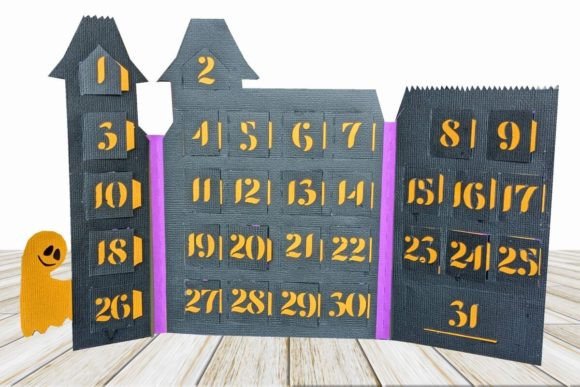
The Halloween Countdown Card represents a sophisticated intersection of paper crafting, seasonal decoration, and interactive design. Designed by Bella Carta Design, this project transforms a standard greeting card into a functional advent-style calendar specifically tailored for the month of October. Unlike traditional flat cards, this gatefold creation takes the physical shape of a haunted house, featuring a playful ghost peeking from behind the front door. The exterior prominently displays the phrase “Countdown to Halloween,” setting a clear thematic tone. Upon opening, the recipient discovers thirty-one individually numbered windows, each concealing a unique Halloween image. This structure invites daily interaction, making it suitable for display on a shelf or as a memorable, hands-on gift.
Understanding the Project Structure and Mechanics
To evaluate whether this project aligns with your crafting goals, it is essential to understand its mechanical complexity. The card operates on a gatefold mechanism, which requires precise alignment to ensure the doors open smoothly and the interior layout remains symmetrical. The finished dimensions are designed to be five inches tall by seven inches wide when closed, allowing it to fit comfortably into a standard A7 envelope. However, the design is scalable, meaning crafters can adjust the size within the parameters of their specific cutting machine.
The core appeal lies in the thirty-one internal windows. Each window must be cut, weeded, and glued with precision to ensure it functions correctly over repeated use. The project relies heavily on layering, where the structural integrity of the card depends on the accuracy of the cuts and the quality of the adhesive application. The instructions provided with the design include step-by-step guidance accompanied by numerous photographs, aiming to mitigate the inherent difficulties of working with small, intricate paper components.
Benefits and Appeal for Crafters
For individuals who enjoy detailed paper crafts, the Halloween Countdown Card offers several distinct advantages. First, it provides a high "wow factor" relative to standard card projects. The interactive nature of the piece elevates it from a simple greeting to an engaging experience. For recipients, particularly children or Halloween enthusiasts, the ability to open a new window each day builds anticipation and extends the enjoyment of the gift throughout the entire month.
Second, the project serves as an excellent showcase for digital die-cutting capabilities. Whether using a Cricut, Silhouette, or another compatible machine, the design allows crafters to demonstrate proficiency with complex cuts and layered assemblies. The visual impact of the haunted house silhouette, combined with the surprise elements inside, makes it a standout piece for seasonal decor.
Third, the versatility of the design allows for creative customization. While the template provides a structured foundation, crafters can select paper stocks, colors, and embellishments that match specific aesthetic preferences. This flexibility ensures that no two cards need look identical, offering room for personal expression within a guided framework.
Tradeoffs and Practical Considerations
Despite its appeal, the Halloween Countdown Card involves significant tradeoffs that potential makers must consider. The primary challenge is the time investment. The project requires extensive cutting and weeding, processes that can be labor-intensive depending on the complexity of the chosen materials. Furthermore, the assembly phase demands meticulous attention to detail. Precise gluing with a fine-tipped glue nozzle is necessary to secure the small flaps of the thirty-one windows without causing warping or visible adhesive residue.
Another consideration is the learning curve. While instructions are provided, the sheer number of components increases the likelihood of error. Misalignment during the gluing process can result in windows that do not open correctly or doors that sit unevenly. Crafters with limited experience in multi-layered projects may find the precision requirements daunting. Additionally, the cost of materials can accumulate, particularly if high-quality cardstock or specialty papers are used to achieve a durable and visually appealing result.
Durability is also a factor. Paper-based interactive elements are inherently fragile. If the card is intended for daily use by young children, the thin paper flaps may tear or detach over time. Reinforcing critical stress points with additional layers or stronger adhesives may be necessary, though this adds to the overall thickness and weight of the final product.
Ideal Use Cases and Audience Fit
This project is a strong fit for intermediate to advanced crafters who enjoy methodical, detail-oriented work. It is particularly suitable for those looking to create a centerpiece for Halloween decorations or a unique gift that stands out from store-bought alternatives. Teachers or parents may also find value in creating these cards as educational tools, using the daily reveal to introduce Halloween-themed vocabulary, history, or safety tips.
The card is also ideal for individuals who appreciate the tactile experience of paper crafting. Those who own updated versions of digital cutting machines and have access to a variety of cardstocks will find the project rewarding. The ability to scale the design means it can be adapted for different display spaces, from small desk ornaments to larger shelf pieces.
When to Consider Alternatives
There are scenarios where alternative projects may be more appropriate. For beginners or those with limited time, simpler Halloween cards with fewer moving parts may offer a more satisfying experience without the frustration of complex assembly. Similarly, if the goal is to produce multiple cards for a large group, the labor-intensive nature of this design may make it impractical. In such cases, stamped or printed cards with minimal cutting requirements might be more efficient.
Additionally, if durability is a primary concern, consider alternatives made from sturdier materials such as wood or acrylic. While these materials require different tools and techniques, they offer greater longevity for interactive countdowns. For those without access to a digital cutting machine, pre-cut kits or hand-drawn designs may provide a more accessible entry point into Halloween crafting.
Decision-Making Insights for Crafters
When deciding whether to undertake the Halloween Countdown Card project, evaluate your available time, skill level, and intended use. If you have several hours to dedicate to cutting, weeding, and assembly, and you possess the patience for precise gluing, this project offers a rewarding outcome. Ensure your cutting machine is updated and calibrated correctly to handle the intricate details of the haunted house design.
Consider the recipient’s expectations as well. If they value handmade, interactive gifts, the effort invested will likely be appreciated. However, if the card is intended for rough handling or outdoor display, reconsider the material choices or opt for a more robust design. Ultimately, the success of this project depends on balancing the desire for a visually impressive result with the practical realities of paper crafting limitations.
In conclusion, the Halloween Countdown Card by Bella Carta Design is a compelling option for crafters seeking a challenging and engaging seasonal project. Its interactive elements and thematic depth provide significant value, but only for those willing to invest the necessary time and precision. By carefully weighing the benefits against the technical demands, you can determine whether this haunted house gatefold aligns with your crafting objectives and resources.