Elevate Brands with Tote Bag Mockup Bundles
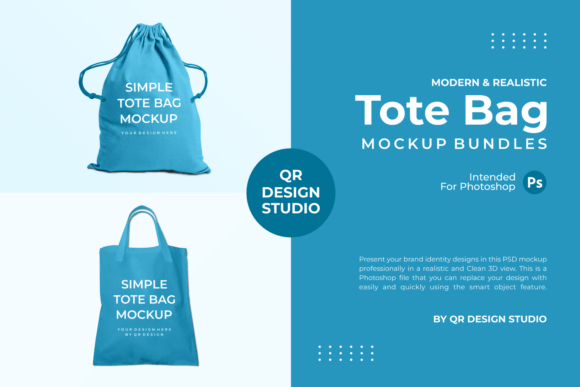
In the competitive landscape of modern branding, the gap between a good design and a successful product launch often comes down to presentation. Clients and customers do not just buy a logo or a graphic; they buy into a vision of how that design will exist in the real world. This is where Tote Bag Mockup Bundles become an indispensable tool for designers, marketers, and entrepreneurs. By presenting your brand identity designs in this PSD mockup professionally in a realistic and clean 3D view, you bridge the imaginary divide between digital files and tangible products.
For professionals ranging from freelance graphic designers to small business owners, the ability to visualize a design on a physical object before production begins is crucial. It reduces uncertainty, enhances client communication, and significantly speeds up the approval process. A high-quality mockup does more than display art; it sells the potential of the final product.
The Power of Realistic Visualization in Branding
When you present a flat vector file to a client, they are required to use their imagination to understand how it will look on fabric, leather, or canvas. This cognitive load can lead to hesitation or misinterpretation. However, when you utilize Tote Bag Mockup Bundles, you provide a concrete visual reference. The human brain processes realistic imagery faster and with more emotional engagement than abstract concepts.
Consider a scenario where a boutique coffee shop is rebranding. They need merchandise that reflects their earthy, sustainable ethos. Showing them a flat green logo on a white background tells them very little. But placing that logo on a textured, canvas tote bag with natural lighting and subtle shadows communicates quality, durability, and style instantly. This realistic 3D view allows stakeholders to see how the design interacts with the material, how colors shift under light, and how the overall composition feels in a lifestyle context.
Efficiency Through Smart Object Technology
Time is a non-renewable resource for creatives. Traditional methods of creating product visuals involve expensive photo shoots, complex lighting setups, and lengthy post-production editing. Tote Bag Mockup Bundles eliminate these bottlenecks through the power of Photoshop’s Smart Object feature. This technology allows you to replace your design easily and quickly without altering the underlying structure of the image.
The workflow is straightforward yet powerful. You open the PSD file, double-click the smart object layer, paste your design, and save. The mockup automatically wraps your artwork around the curves and folds of the bag, applying realistic distortions and perspective. This means you can test five different colorways or logo variations in the time it would traditionally take to set up a single camera shot. For agencies handling multiple clients, this efficiency translates directly into higher profitability and faster turnaround times.
High-Resolution Details Matter
Quality cannot be compromised when aiming for professionalism. These bundles typically offer a PSD file at 3000x2000 pixels with 300 DPI. This resolution is critical for two reasons. First, it ensures that the mockup looks crisp and detailed on high-resolution retina displays, which are standard for most modern consumers. Second, it allows for high-quality print outputs if you need to include these images in physical brochures or pitch decks.
A low-resolution mockup can make even the best design look amateurish. Pixelation or blurriness distracts the viewer and undermines the perceived value of the brand. By using a 300 DPI file, you ensure that every stitch, texture, and shadow is rendered with precision, reinforcing the premium nature of your work.
Customization and Creative Control
One size rarely fits all in branding. Different projects require different moods, backgrounds, and lighting conditions. A key advantage of using well-organized Tote Bag Mockup Bundles is the level of customization available. Because these files are fully layered, you have complete control over the environment.
- Shadow Adjustment: You can increase or reduce shadows to match the lighting conditions of your brand’s other assets. Soft shadows might suggest a gentle, organic brand, while sharp, high-contrast shadows could indicate a bold, modern aesthetic.
- Texture and Color Changes: The ability to change the texture or background color allows you to tailor the mockup to specific campaign needs. If your client wants to see how their logo looks on a black canvas versus a natural beige cotton, you can make this switch in seconds.
- Movable Objects: Since all objects are moveable, you can adjust the position of the bag, the handles, or additional props to create a unique composition that stands out from generic stock imagery.
This flexibility ensures that the mockup serves your creative vision rather than constraining it. It allows for A/B testing of different presentations to see which resonates more with your target audience.
Who Benefits Most from These Tools?
While the utility of these mockups is broad, certain groups derive exceptional value from integrating them into their workflow.
Freelance Designers: For independents, winning a pitch often depends on presentation. Using a professional mockup demonstrates attention to detail and helps clients visualize the end result, increasing the likelihood of project approval.
E-commerce Entrepreneurs: Online sellers rely entirely on visual appeal. Before committing to large inventory orders, entrepreneurs can use these bundles to create compelling product listings for pre-launch campaigns. This helps gauge customer interest and refine marketing messages without financial risk.
Marketing Agencies: Agencies managing multiple brands need consistency and speed. Having a library of high-quality, editable mockups allows teams to maintain a consistent visual standard across various clients while minimizing production time.
Practical Considerations and Limitations
While Tote Bag Mockup Bundles are powerful, it is important to understand their role in the design ecosystem. They are visualization tools, not replacements for physical prototyping. While a mockup can show you how a design looks, it cannot fully replicate the tactile experience of the fabric or the precise color matching of industrial printing processes.
Users should always verify color codes against physical swatches when moving to production. Additionally, while smart objects handle perspective well, extremely complex designs with intricate patterns may require manual tweaking to ensure they align perfectly with the folds of the bag. Understanding these limitations ensures that you use the tool effectively, setting realistic expectations for yourself and your clients.
Enhancing Communication and Decision Making
Ultimately, the goal of any design tool is to facilitate better communication. Misunderstandings between designers and clients often stem from vague descriptions or abstract visuals. A realistic 3D mockup acts as a universal language. It provides a clear, unambiguous reference point for discussion.
When a client sees their logo on a beautifully rendered tote bag, feedback becomes more specific and actionable. Instead of saying, "I’m not sure if it works," they might say, "The logo feels too small against the pocket area." This shift in dialogue moves the project forward constructively, saving rounds of revisions and fostering a stronger collaborative relationship.
In conclusion, integrating Tote Bag Mockup Bundles into your design workflow is a strategic move toward professionalism and efficiency. By leveraging high-resolution, customizable, and easy-to-use PSD files, you can present your brand identity designs in a way that is both visually stunning and practically useful. Whether you are looking to save time, improve client satisfaction, or simply elevate the quality of your portfolio, these tools offer a tangible path to achieving your creative goals.