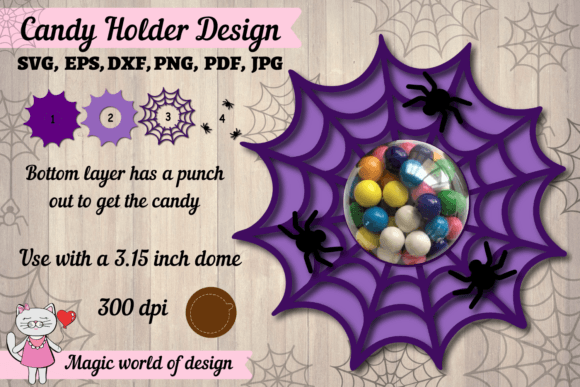
Crafting the Perfect Treat: A Guide to 3D Halloween Web and Spider Candy Domes
Halloween is a season defined by creativity, atmosphere, and, of course, sweets. For crafters, educators, and party planners, finding unique ways to present treats can elevate a simple gathering into a memorable event. One increasingly popular method for achieving this is through the use of 3D paper cut designs, specifically the 3d Halloween Web and Spider Candy Dome. These intricate structures serve not just as containers, but as decorative centerpieces that capture the spooky spirit of the holiday.
Understanding how to utilize these digital assets effectively requires a blend of artistic vision and technical know-how. Whether you are a beginner with a cutting machine or an experienced designer looking to streamline your workflow, mastering the creation of these candy domes offers a rewarding intersection of technology and traditional crafting.
Understanding the Design: Form Meets Function
At its core, a candy dome is a three-dimensional structure created from flat materials, typically cardstock or heavy paper. The specific design featuring a web and spider motif leverages the visual language of Halloween—silhouettes, geometry, and thematic icons—to create an object that is both functional and aesthetically pleasing. Unlike simple bags or boxes, a dome shape provides a spherical enclosure that mimics the look of a classic ornament or bauble, adding a touch of elegance to homemade gifts.
The significance of this design lies in its versatility. It transforms a standard wrapped treat into a curated gift. The "web" element often serves a structural purpose, providing the lattice necessary to hold the dome's shape, while the "spider" adds a focal point that draws the eye. This duality ensures that the final product is sturdy enough to hold contents while remaining visually engaging.
The Role of Digital Files in Modern Crafting
In the past, creating such intricate 3D shapes required hours of manual measurement, drawing, and cutting. Today, the process is revolutionized by digital download files. When you purchase a package containing SVG, PNG, EPS, DXF, PDF, and JPEG formats, you are accessing pre-engineered templates that guarantee precision. These files are designed to be compatible with most graphic editing programs and cutting machines, bridging the gap between digital design and physical creation.
The availability of multiple file formats ensures accessibility. For instance, SVG (Scalable Vector Graphics) files are ideal for users of Cricut or Silhouette machines, as they allow for clean cuts without pixelation. Meanwhile, PDF and JPEG files offer alternatives for those who may prefer printing and hand-cutting or using different software ecosystems. This inclusivity makes the craft accessible to a wider audience, regardless of their preferred tools.
Technical Specifications and Sizing
One of the most critical aspects of working with pre-sized digital files is understanding dimensions. The standard 3d Halloween Web and Spider Candy Dome is typically sized to fit a round bauble of 3.15 inches (8cm). This specific size is chosen because it is large enough to hold a generous amount of wrapped candies or small toys, yet small enough to remain delicate and manageable.
It is important to note that these files are pre-sized. This means that when you load the file into your software, the default dimensions are set to ensure the pieces fit together perfectly after cutting. However, flexibility is a key feature of vector-based designs. If you wish to create larger or smaller domes, you can resize the file manually.
- Scaling Up: Ideal for holding larger treats or creating table centerpieces.
- Scaling Down: Perfect for party favors, tree ornaments, or place card holders.
When resizing, it is crucial to maintain the aspect ratio to ensure that tabs and slots align correctly. A slight miscalculation can result in a dome that does not close properly, so careful attention to detail during the setup phase is essential.
Material Selection and Preparation
The success of a 3D paper project depends heavily on the material used. For these candy domes, cardstock is the recommended medium. Cardstock provides the necessary rigidity to hold the spherical shape without collapsing under the weight of the treats inside. Standard printer paper is generally too flimsy, while overly thick cardboard may be difficult to fold along the intricate score lines.
Before beginning the assembly, ensure that your cutting machine is calibrated for the weight of your cardstock. Using a sharp blade and appropriate pressure settings will result in clean edges, which are vital for the seamless assembly of the dome. Additionally, because the files are provided at 300 dpi (dots per inch), any printed elements will appear crisp and high-quality, enhancing the professional look of the final product.
Step-by-Step Assembly Guide
Creating your 3d Halloween Web and Spider Candy Dome is a straightforward process if you follow a logical sequence. Here is a general guide to help you achieve the best results:
- Download and Extract: After purchase, download the compressed zip file and extract the contents to a folder on your computer. Choose the file format compatible with your software (e.g., SVG for cutting machines).
- Import and Resize: Open the file in your preferred graphic editing program. Verify the size is set to 3.15” (8cm) or adjust manually if needed.
- Cut the Material: Load your cardstock into the cutting machine and execute the cut. Ensure all tabs and slots are fully cut through.
- Score and Fold: If your machine supports scoring, use this feature for fold lines. Otherwise, gently score along the designated lines with a bone folder to ensure crisp folds.
- Assemble the Dome: Begin by folding along all score lines. Apply adhesive to the tabs and carefully interlock the pieces, starting from the base and working your way up to the spider web apex.
- Fill and Seal: Once the dome is partially assembled, insert your wrapped treats. Complete the assembly by closing the final sections securely.
Practical Applications and Creative Ideas
The utility of these candy domes extends beyond simple gift-giving. They are versatile tools for various settings:
Educational Settings: Teachers can use these projects to teach geometry, spatial reasoning, and fine motor skills. Students learn how 2D shapes transform into 3D objects, providing a hands-on lesson in mathematics and art.
Business and Marketing: Small businesses, such as bakeries or boutique shops, can use branded versions of these domes for packaging. Adding a custom logo to the design can turn a simple treat into a marketing tool that customers are likely to share on social media.
Home Decor: Even without treats, these domes can be filled with LED fairy lights or artificial snow to create glowing Halloween decorations. Hanging them from ceilings or placing them on mantels adds a sophisticated spooky ambiance to any room.
Common Misunderstandings and Tips
A common misconception is that digital downloads include physical products. It is essential to remember that this listing is for a digital download only; no physical items will be shipped. Users must have access to a printer or cutting machine and the necessary materials to create the physical object.
Another frequent issue arises from software compatibility. While the files are designed to work with most graphic editing programs, users should always check their specific software’s capabilities. For example, some basic viewers may not support SVG editing, requiring the user to convert the file or use a different format like PDF.
Pro Tip: Always perform a test cut with scrap paper before using your final cardstock. This allows you to verify sizing and fit without wasting premium materials.
Conclusion
The 3d Halloween Web and Spider Candy Dome represents a perfect blend of traditional crafting and modern digital convenience. By leveraging high-resolution digital files, crafters can produce professional-quality decorations and gift containers with ease. Whether you are looking to add a personal touch to Halloween treats, enhance classroom activities, or create unique home decor, these designs offer endless possibilities. With the right materials, a bit of patience, and the correct technical setup, you can master this craft and enjoy the satisfaction of creating something truly special. Happy crafting!